
How Soon Can You Get Pregnant After an Abortion?
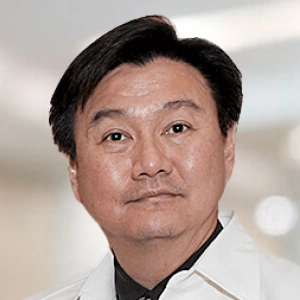
Dr Jen Shek Wei
Consultant Obstetrician & Gynaecologist
MBBS (Singapore), MMed (OBGYN, Singapore), FRCS (OBGYN, London), FAM (Singapore)
Many women have concerns regarding how an abortion may affect their ability to conceive or carry a pregnancy in the future. In most cases, the body resumes its natural cycle sooner than expected, sometimes even before the return of the first period.
Therefore, for those considering pregnancy both now or in the future, clear information on fertility, menstrual changes and recovery can help guide your next steps. Accessing these insights also remains essential regardless of whether you are planning to conceive or are looking to manage contraception effectively.
Does Abortion Affect Fertility?
A safe, legal abortion performed in an accredited clinic does not typically affect future fertility. Infertility concerns are often linked to unsafe or unregulated procedures rather than evidence-based medical care; when performed properly, abortion does not cause long-term reproductive complications.
Following the procedure, the body usually resumes its natural cycle quickly. As pregnancy hormone levels decline, ovulation may return within two to four weeks. This means pregnancy can occur even before the first period returns. Therefore, if unprotected sex occurs during this window, fertilisation may happen.
How Long Should I Wait Before Trying to Conceive?
You can become pregnant as soon as ovulation resumes after an abortion. However, many gynaecologists recommend waiting until after at least one normal menstrual period—typically four to six weeks—before trying to conceive. Allowing one full cycle gives the uterine lining sufficient time to recover and helps with more accurate dating of a future pregnancy.
Factors Affecting Conception Timeline
Fertility often returns quickly, but the timing of conception can vary between individuals. Several physiological and lifestyle factors may influence how soon pregnancy occurs after an abortion, including:
The Type of Abortion
Both medical abortion and surgical abortion are safe and generally do not impact long-term fertility. While the timeframe for renewed fertility is similar, surgical procedures may occasionally require a slightly longer period of pelvic rest to prevent infection. In very rare cases where surgical scarring (Asherman's syndrome) occurs, fertility could be impacted, though this is treatable.
General Health
Overall health is a key determinant of fertility. Conditions such as polycystic ovary syndrome (PCOS), thyroid disorders, or unmanaged diabetes can cause irregular ovulation, making it harder to predict fertile windows.
Age
Women under the age of 30 often find that their cycles regulate more quickly and they conceive faster due to a higher ovarian reserve. As women age, particularly after 35, fertility naturally begins to decline, and it may take longer to conceive.
Emotional and Physical Recovery
Physical healing is usually straightforward, but emotional readiness differs for everyone. Some feel prepared soon after, while others prefer more time before planning another pregnancy. Before trying to conceive, ensure you are mentally and physically prepared for hormonal shifts and body changes.
Planning a Healthy Pregnancy After Abortion
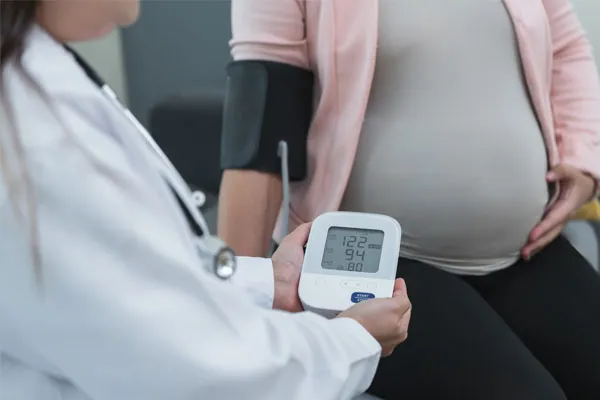
If you have decided that you are ready to conceive again, several steps can support a healthy pregnancy journey, such as:
- Take Prenatal Vitamins: Starting folic acid or a prenatal vitamin at least one month before conception helps prevent neural tube defects and supports early foetal development.
- Schedule a Preconception Check-up: Visit your gynaecologist to ensure the uterus has fully healed and to discuss the management of any underlying health conditions.
- Track Your Cycle: Monitor your menstrual cycle to identify your fertile window. This can be achieved through tracking apps, ovulation predictor kits, or by observing physical signs like basal body temperature.
- Manage Stress: Engage in stress-reducing activities such as yoga, meditation, or counselling. A calm mind supports a healthy hormonal balance, which is conducive to conception.
Professional Guidance for Your Reproductive Journey
Planning for pregnancy after an abortion is a significant step that requires clear medical guidance and personal readiness. By understanding your recovery timeline and monitoring your reproductive health, you can take proactive steps toward a healthy future conception.
The Women’s Clinic of Singapore, led by Dr Jen Shek Wei, provides the necessary clinical support to ensure your recovery is on track. Our professional oversight ensures that any underlying health factors or hormonal changes are managed effectively as you plan for the future.
To discuss your reproductive health or to schedule a preconception check-up, visit our website or contact us today.

Dr Jen Shek Wei
Consultant Obstetrician & Gynaecologist
MBBS (Singapore), MMed (OBGYN, Singapore)
FRCS (OBGYN, London), FAM (Singapore)
Dr Jen Shek Wei is an abortion doctor with more than 30 years of experience in the field of OBGYN. At his Ministry of Health (MOH)-accredited clinic, he provides medical abortion (abortion pills) with an attentive follow-up to monitor progress and manage any side effects. Throughout the entire process, Dr Jen is committed to offer compassionate and confidential care for his patients during what is often a difficult and emotional time for them.
Reach Out to Us
for Prompt Assistance
At The Women’s Clinic of Singapore, we are committed to giving you the support and care you need during this sensitive time. Call or WhatsApp us today to get an appointment within one business day.

Contact Information:
Blk 721 Ang Mo Kio Ave 8 #01-2813Singapore 560721(Next to "Eye Clinic" & "Family Medicare Clinic")
Tel : 6459 2833
Fax : 6455 0880
Helpful Links
Operating Hours:
Mon - Sat (Morning) : 10:00am - 1:00pm
Mon & Fri (Afternoon) : 2:00pm – 4:00pm
Tue (Night) : 7:00pm - 9:00pm (Closed on other nights)
Our clinic is closed on Sunday, Tuesday, Wednesday, Thursday and Saturday afternoons.
 Click to WhatsApp